Caesars Explains Why It Picked Fertitta’s $31 Bid Over Icahn’s Higher $34 Offer
A new SEC filing shows Caesars rejected Carl Icahn’s $34-a-share bid over financing gaps, citing Tilman Fertitta’s $17.6B deal as more certain.

This article was produced with AI assistance and edited by the ON360 newsroom.
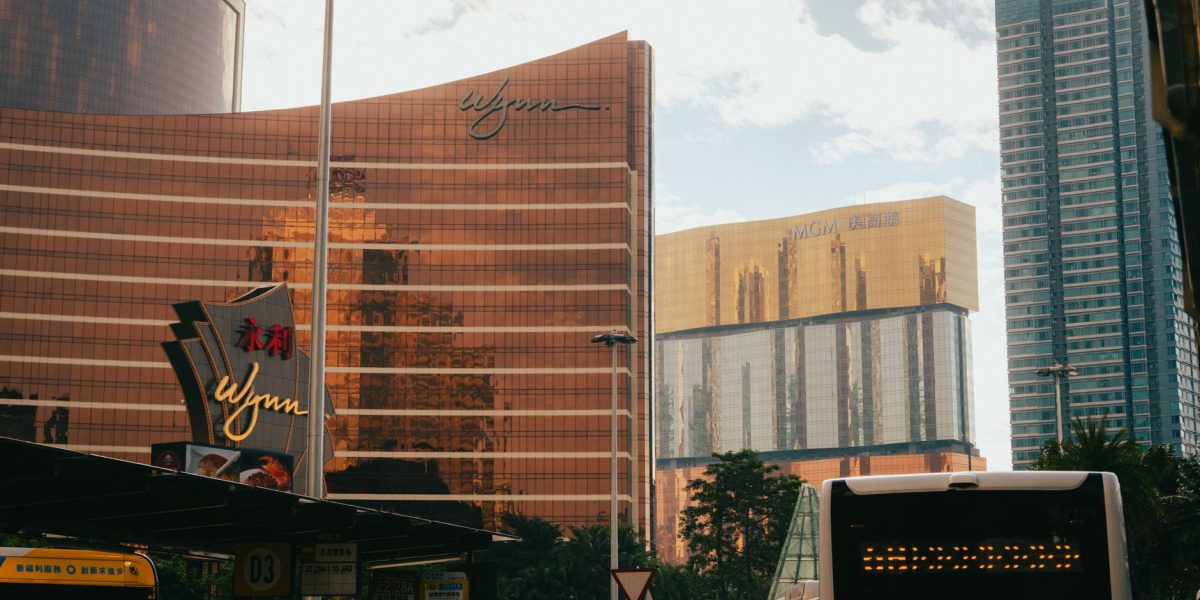
Caesars Entertainment turned down a higher, eleventh-hour $34-per-share takeover proposal from activist investor Carl Icahn in favour of Tilman Fertitta’s previously agreed $31-per-share offer, citing serious doubts about how the rival bid would be financed, according to a preliminary proxy statement filed with the U.S. Securities and Exchange Commission on August 12.
The filing, reported by Gambling Insider, lays out for the first time a detailed timeline of the competing bids for Caesars, culminating in Fertitta’s $17.6-billion acquisition deal. It shows that Icahn and Fertitta had been quietly competing for control of the casino giant since January, months before either offer became public.
Months of dueling bids
According to the proxy document, Icahn initially offered $28.50 per share while Fertitta entered slightly higher at $28.75. Both sides raised their bids repeatedly through the winter, with Icahn reaching $32 per share in early February and Fertitta matching it days later.
Icahn briefly withdrew, then returned later that month with a $33-per-share proposal. Fertitta subsequently trimmed his own offer to $31, citing higher financing costs and broader macroeconomic risk. Caesars pushed back with counteroffers of $31.50 and then $31.25, but Fertitta held firm, and the two sides ultimately settled on the $31-per-share transaction in May.
Icahn’s late $34 bid and financing red flags
The Fertitta agreement included a 45-day “go-shop” window that ran until July 11, during which Caesars could solicit rival offers. On July 10, just before that window closed, Icahn submitted a non-binding $34-per-share cash proposal — topping both his earlier bid and Fertitta’s agreed price.
That structure envisioned roughly $1.4 billion in cash, about $860 million in rollover equity, and $6.5 billion in new debt financing arranged through Jefferies. It also assumed the Carano family — Caesars’ founding shareholders — would contribute at least five million shares to Icahn’s buying vehicle.
Fertitta’s acquisition entity twice agreed to extend Caesars’ deadline, ultimately giving the company until August 10 to evaluate whether Icahn’s proposal warranted continued consideration. But Caesars found the financing wanting: Jefferies’ draft debt commitment was unsigned, undated and incomplete, and the bank later told Caesars’ advisers it could not close the deal without commitments from other, unnamed investors.
Leverage, liquidity and regulatory scrutiny
Caesars’ board flagged several economic concerns with the Icahn structure, including high leverage, thin liquidity, and the risk that most of the combined company’s free cash flow would go toward servicing new debt. The filing states Caesars believed those factors created execution risk, given that gaming regulators scrutinize licensees’ financial stability closely.
The Carano family’s role added another complication. On July 14, Caesars Executive Chairman Gary Carano and CEO Tom Reeg told Icahn’s representatives that the proposed rollover equity terms were less attractive than under the Fertitta deal, and the family indicated it would not participate on those terms.
Icahn tried to address the concerns by offering to swap $1 billion of debt for additional equity, but Caesars said it remained unclear where that equity would come from and questioned proposed cuts to capital expenditure. The board also noted that Fertitta’s deal allowed most of Caesars’ existing debt to roll over without triggering change-of-control clauses — reducing new financing needs and, in the board’s view, improving deal certainty.
Talks continued into August, but Caesars said on August 10 there had been “no material progress on the fundamental issues” it had raised. Icahn’s extended window then lapsed, effectively ending his challenge under the terms of the merger agreement. The Fertitta transaction now awaits regulatory and shareholder approval, and Caesars has forgone an earnings call on its latest quarterly results while the deal remains pending.
For Canadian observers, the standoff underscores how heavily gaming regulators weigh financial certainty and leverage when reviewing large casino ownership changes — a consideration provincial regulators, including those overseeing Ontario’s gaming sector, also apply when assessing operator stability and licensing suitability.