Kalshi’s US Legal Woes Deepen as CFTC Clashes With New York, Courts Side Against It
Kalshi lost in Connecticut and Washington state courts this week as the CFTC took the unusual step of ordering it to keep operating in New York.

This article was produced with AI assistance and edited by the ON360 newsroom.
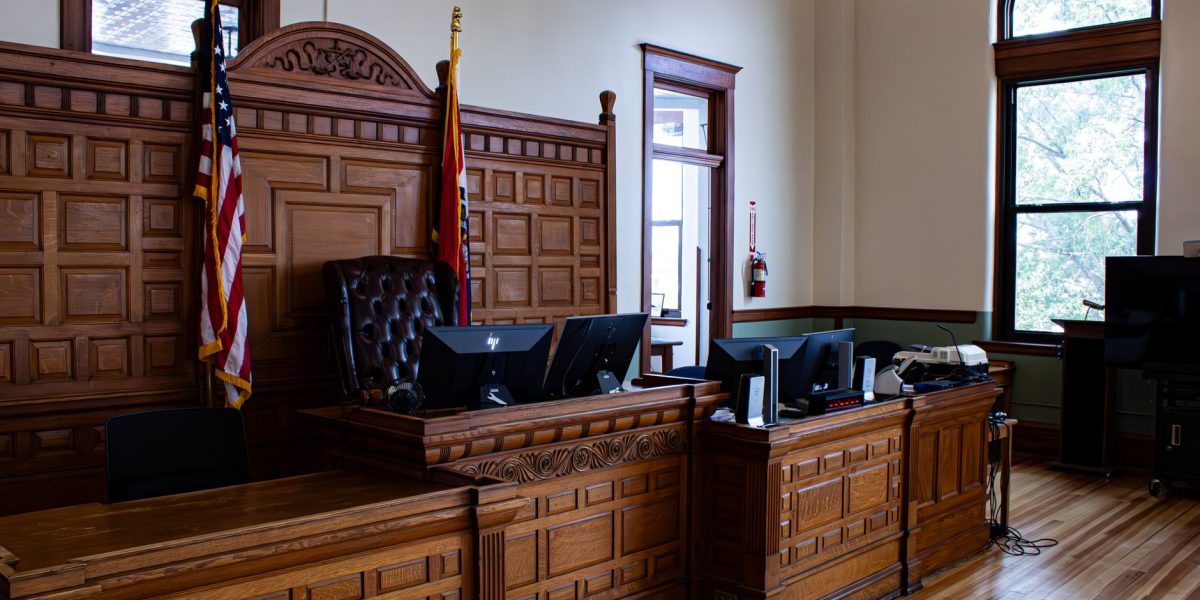
A week of courtroom setbacks for prediction market operator Kalshi culminated in an unusual intervention by its federal regulator, the Commodity Futures Trading Commission (CFTC), which ordered the company to keep operating in New York even as the state pushes to shut it down. The clash is the latest sign that the legal fight over whether prediction markets are regulated commodities or unlicensed sports betting is far from settled in the United States, according to Gambling Insider.
CFTC intervenes as New York fight escalates
The CFTC issued an emergency order directing Kalshi to continue normal operations even if New York secures a court order that could effectively force it out of the state. Kalshi cited the order in its appeal before the Second Circuit, arguing it shows an “irreconcilable conflict” between federal and state law, Gambling Insider reported.
New York, represented by Attorney General Letitia James, countered that the order has no bearing on the appeal because James is not a defendant in that specific case, and argued the CFTC cannot manufacture a federal-state conflict through its own interpretation of the Commodity Exchange Act. The CFTC has also separately filed the emergency order as supplemental authority in its own lawsuit against the state.
A related bid by rival operator Novig for a temporary restraining order against New York was denied by U.S. District Judge Colleen McMahon, who said she would not “undermine” an earlier ruling from Judge Analisa Torres without full briefing. Oral arguments on Novig’s request for a preliminary injunction are set for September 11.
Connecticut and Washington rule against Kalshi
Kalshi’s legal position weakened further after U.S. District Judge Vernon D. Oliver in Connecticut denied its request for a preliminary injunction against state regulators, ruling that its sports event contracts do not qualify as swaps under federal law. Oliver wrote that “at bottom, they are sports wagers,” rejecting Kalshi’s argument that federal law preempts state gambling rules.
In Washington state, King County Superior Court Judge John McHale finalized a preliminary injunction against Kalshi, finding federal law does not override the state’s gambling statutes. The order requires Kalshi to geofence out contracts tied to sports, elections, politics, entertainment, culture, technology and science, though commodities, climate, economics and finance products are excluded. Kalshi must implement initial geofencing by August 19 and a full GeoComply-based solution by September 2, or face penalties reported at $120,000 per day.
McHale is the third judge in roughly a week to reject Kalshi’s “impartial access” argument, following similar rulings in Connecticut and Utah, per Gambling Insider.
More lawsuits, a City Hall probe and an M&A dispute
New York City Council has opened a separate investigation into Polymarket, Kalshi, Coinbase and Gemini’s Titan platform over advertising practices, influencer marketing and possible targeting of minors. Flight-tracking firm FlightAware briefly sued Kalshi over data and trademark use in flight-cancellation markets before voluntarily dismissing the case a day later.
Separately, Aristotle filed suit against Underdog Sports, its CEO Jeremy Levine and related entities in Delaware Chancery Court, alleging fraud and conspiracy tied to Underdog’s pending US$1.3-billion sale to IG Group. Levine denied the allegations on social media, saying Aristotle was unhappy with its return from the transaction.
Why it matters north of the border
Ontario’s iGaming market operates under a distinct licensing framework overseen by the AGCO and iGaming Ontario, where sports wagering products require provincial authorization rather than relying on federal commodities rules. As U.S. courts continue to test whether prediction markets are financial instruments or unlicensed gambling, the outcome could shape how similar products are treated if they ever seek entry into regulated Canadian markets. Players in Ontario are reminded that all legal sports betting and gaming products come through licensed operators offering responsible-gambling tools such as deposit limits and self-exclusion.
Related: Baltimore Sues Kalshi and Polymarket, First US City to Target Prediction Markets
Related: Connecticut Judge Rules Kalshi Sports Contracts Are Gambling, Not Swaps
Related: NYC Council Investigates Kalshi, Polymarket Over Ads Targeting Minors
Related: CFTC Tells Prediction Markets to Ditch Sportsbook-Style Odds Displays