Entropay casinos — what happened and what to use now
If you are searching for Entropay casino deposits, the honest answer up front is that Entropay no longer exists — the virtual prepaid Visa service closed in 2019, and any casino still listing it as a payment option is showing a dead logo. That is worth stating plainly, because a lot of pages on this topic pretend the service is live to keep you clicking. It is not. But the reason gamblers loved Entropay has not gone anywhere, and there are modern methods that fill exactly the same need for Canadian players today. This page explains what Entropay actually was, why it shut down, and — the useful part — which current options give you the same budget ring-fencing and privacy without pretending a discontinued brand still works.
ON360 may earn a commission when readers sign up through links on this page. Commission never affects our ranking or scores — our testing method is public.
How we rate casinos →What Entropay was
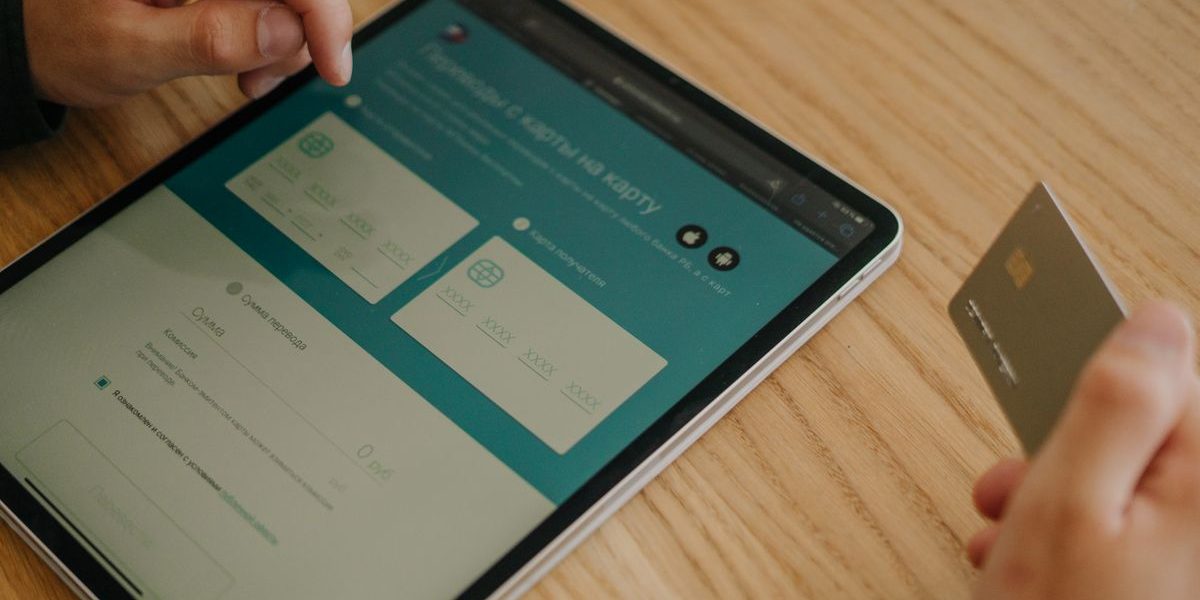
Entropay was a virtual prepaid Visa card. You opened an Entropay account, loaded it from your real bank card or a transfer, and Entropay issued you a virtual Visa — a card number, expiry and CVV that existed only online, with no physical plastic. You then used that virtual card at casinos and other merchants exactly like any Visa, except it drew on the balance you had pre-loaded rather than on your bank account or credit line.
That structure is the whole point, and it is why Entropay earned a loyal following among online gamblers specifically. It sat as a buffer between your real bank and the merchant: the casino saw an Entropay-issued Visa, not your RBC or TD card, and your bank saw a load to Entropay, not a gambling transaction. For a decade it was one of the go-to ways Canadians and others funded casino play with a layer of separation and a hard spending cap built in.
Why gamblers loved it — the need it filled
Two things made Entropay genuinely useful, and understanding them tells you what to look for in a replacement:
- A ring-fenced gambling budget. Because you pre-loaded the virtual card, you could only spend what you put on it. Load $200, and $200 is the ceiling — no overspending, no reaching for the credit line mid-session, no cash-advance interest. The card enforced a limit that willpower alone often does not.
- Privacy from your main statement. The gambling charge posted against Entropay, not your bank card. Anyone reviewing your primary bank or credit statement saw a load to a payment service, not a list of casino deposits. For players who wanted discretion — or simply did not want their bank flagging and blocking gambling MCC codes — that separation was the draw.
Notice that neither of those is about speed or bonuses. Entropay’s appeal was control and privacy, and that is the exact need the replacements below have to meet.
💡 The Entropay habit worth keeping: pre-load a fixed amount, play only from that, and keep the charge off your main bank statement. Any modern method you choose should preserve that budget cap and buffer — that, not the brand name, is what mattered.
 ON360
Why Entropay shut down in 2019
Entropay was operated by Ixaris, and in 2019 the company wound down the consumer prepaid product to refocus on its business payments work. Around the same period the whole virtual-prepaid space was reshaped by tightening regulation — stronger anti-money-laundering and know-your-customer requirements across the EU and card-network rules made anonymous or lightly-verified prepaid products harder and costlier to run. Entropay’s model, built partly on low-friction sign-up, did not fit the direction the rules were heading. When it closed, accounts were wound down and the virtual cards stopped functioning; there was no successor product carrying the Entropay name. So this is not a service that is “temporarily unavailable in Canada” or “down for maintenance” — it is discontinued, full stop.
⚠️ If a casino still shows Entropay at its cashier in 2026, treat it as a warning sign about how current that operator keeps its payment information — not as a working option. You cannot open a new Entropay card; the service ended in 2019.
The modern replacements — same need, current methods
Nothing is a one-to-one clone of Entropay, but several methods each cover part of what it did. The right pick depends on whether you cared more about the budget cap, the privacy buffer, or the ability to cash out — Entropay itself was primarily a deposit and control tool, not a strong withdrawal method.
Prepaid vouchers — Neosurf and Flexepin
These are the closest match to Entropay’s “load a fixed amount, spend only that” logic. A prepaid voucher is bought for a set value and carries a PIN; you enter the PIN at the casino to deposit, and once it is spent, it is spent — a hard budget cap with no link to your bank at the point of deposit. Neosurf is a widely-accepted voucher at Canadian-facing casinos, and Flexepin is a Canada-friendly equivalent sold at retail and online. Their honest limitation is the same one Entropay had: vouchers are deposit-only. You cannot cash winnings back to a spent voucher, so you will need a separate withdrawal method — an e-wallet, Interac or bank transfer — which our payments hub lays out.
E-wallets
An e-wallet reproduces Entropay’s buffer more than its hard cap. You fund the wallet, then deposit from it, so the casino sees the wallet rather than your bank, giving you the same statement separation. The big advantage over Entropay is that e-wallets support withdrawals — often the fastest cash-outs available — so you get a genuine round-trip method. The trade-off is that a wallet does not enforce a budget the way a pre-loaded voucher does; the discipline is on you, unless you deliberately keep only your session bankroll in it.
Other virtual and prepaid cards
Some banking apps and fintechs now issue single-use or reloadable virtual cards — the direct descendants of Entropay’s core idea. Availability for gambling merchants varies, and many are gated by the same MCC 7995 blocking that affects any card, so acceptance is less certain than a purpose-built voucher. Where one works, it recreates the virtual-Visa experience closely; where it does not, a voucher is the more reliable route.
Crypto
For the privacy angle specifically, cryptocurrency goes further than Entropay ever did — funds move without a bank card in the chain at all. It also supports withdrawals. The honest caveats are real, though: price volatility between deposit and cash-out, a steeper learning curve, added KYC at reputable operators, and no chargeback protection. It suits players who genuinely value the separation and are comfortable with the mechanics, not someone who simply wants a quick prepaid top-up.
Replacement options compared
| Method | Budget cap | Privacy buffer | Withdraw to it? | Closest to Entropay for… |
|---|---|---|---|---|
| Neosurf / Flexepin voucher | Yes — hard cap | Strong at deposit | No — deposit-only | The fixed-budget discipline |
| E-wallet | Soft — self-managed | Strong | Yes — often fastest | The bank-statement buffer + a real cash-out |
| Virtual card (fintech) | Depends on card | Moderate–strong | Rarely | The virtual-Visa experience itself |
| Crypto | Self-managed | Strongest | Yes | Maximum privacy (with volatility risk) |
If Entropay was your method because it stopped you overspending, a Flexepin or Neosurf voucher is the honest replacement. If it was because you wanted your bank out of the loop and a real way to cash out, an e-wallet fits better. Most experienced players end up pairing a voucher for deposits with an e-wallet or Interac for withdrawals.
 ON360
Matching the replacement to why you used Entropay
The mistake is to hunt for a single drop-in substitute. Entropay bundled three things — a hard budget cap, a bank buffer, and a familiar virtual-Visa format — and different players leaned on different parts of that bundle. Sort yourself by the one that mattered most:
- You used it to stop overspending. The cap was the point. Go straight to a prepaid voucher: buy exactly what you intend to lose, deposit the PIN, and there is physically nothing more to spend. A Neosurf or Flexepin voucher enforces the discipline better than Entropay’s reloadable balance ever did, because you have to make a fresh, deliberate purchase to top up.
- You used it to keep your bank out of the loop. An e-wallet gives you the same separation and adds a real withdrawal path, so it is the better fit if privacy plus cash-out was your combination.
- You used it because it felt like a normal Visa. A fintech virtual card is the nearest experience, accepting that casino acceptance is patchier than a purpose-built voucher.
Most players discover they actually wanted two of these at once, which is why the voucher-plus-e-wallet pairing keeps coming up as the practical answer.
If you still have an old Entropay balance
Because the shutdown was in 2019, any funds that were on Entropay cards were handled during the wind-down at the time, and there is no active Entropay support or cashier to log into now. If you genuinely believe you had a residual balance that was never resolved, that is a matter for the former operator’s wind-down process and your own bank records from that period — not something a casino can restore or convert. Do not enter old Entropay card details anywhere hoping they still authorise; they will not, and typing a dead card into an unfamiliar cashier is a needless data-exposure risk. Treat the Entropay chapter as closed and set up one of the current methods fresh.
 ON360
How the replacements differ from Entropay’s old deposit flow
Entropay’s flow was: load the virtual card, then type its Visa details into the casino cashier like any card. The replacements change that step. With a voucher, there is no card number at all — you enter a PIN, which means no card details sit on file with the operator, arguably better privacy than Entropay offered. With an e-wallet, you log in and approve the deposit inside the wallet, so again your bank card never touches the casino. With crypto, you send to a wallet address. Only a fintech virtual card reproduces the exact “enter Visa details” experience — and it is the least reliably accepted of the group at gambling merchants because of MCC blocking.
✅ Rebuild Entropay’s setup with two methods, not one: a prepaid voucher (Neosurf or Flexepin) as your capped deposit method, plus an e-wallet or Interac as the withdrawal rail. You keep the hard budget and the bank buffer, and you gain the cash-out that Entropay never really had.
A note on why this page tells you the truth
Plenty of sites keep “Entropay casino” pages alive as if the service still works, because the search term still gets traffic. That does you no favours — you would follow the steps, hit a dead end, and waste time. The useful thing we can do is confirm the brand is gone, explain what it did, and point you to methods that actually function for Canadians in 2026. If your underlying goal is card-based deposits generally, our credit card casinos guide covers what still works and what your bank is likely to block.
⚖️ Entropay is discontinued and cannot be used at any casino. Beware sites promoting it as active. Whichever replacement you choose, gamble only with funds you can afford to lose — a pre-loaded budget cap is a tool for exactly that. Players must be 19+ (18+ in AB, MB, QC); free, confidential support in Ontario is available through ConnexOntario at 1-866-531-2600.
Does Entropay still work at casinos in 2026?
No. Entropay’s consumer virtual-Visa service closed in 2019 and cannot be used anywhere. If a casino still lists Entropay, the logo is outdated — you cannot open a new card or fund an old one.
Why did Entropay shut down?
Its operator, Ixaris, wound down the consumer prepaid product in 2019 to focus on business payments, at a time when tighter anti-money-laundering and KYC regulation was making lightly-verified virtual prepaid cards harder and costlier to run.
What is the best replacement for Entropay for Canadians?
For Entropay’s fixed-budget appeal, a prepaid voucher like Neosurf or Flexepin is the closest match. For the bank-statement buffer plus a real way to withdraw, an e-wallet fits better. Many players use a voucher to deposit and an e-wallet or Interac to cash out.
Can I get a virtual Visa like Entropay somewhere else?
Some fintech apps issue single-use or reloadable virtual cards that recreate the idea, but acceptance at casinos is inconsistent because they hit the same gambling MCC blocking as any card. A dedicated voucher is usually more reliable for deposits.
Could I withdraw winnings to Entropay?
Entropay was primarily a deposit and budgeting tool, not a strong withdrawal method — and it no longer exists regardless. For withdrawals today, use an e-wallet, Interac or bank transfer; prepaid vouchers like its replacements are deposit-only.
Is it safe to use a casino that still advertises Entropay?
The Entropay listing itself is just outdated and won’t work, but it is a sign the operator isn’t keeping its payment information current. Confirm a live, modern method on the cashier before depositing, and lean toward operators that maintain their details.
Did Entropay keep gambling off my bank statement?
Yes — that was a main reason players used it. Charges posted against Entropay rather than your bank card. Prepaid vouchers and e-wallets recreate that buffer today; crypto goes even further on privacy, with volatility as the trade-off.